Blog & Design Guide

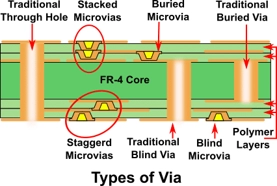
HDI introductionHigh-Density Interconnector (HDI) PCBs are advanced printed circuit boards characterized by a higher wiring density per unit area compared to standard PCBs. They incorporate:
which allow for more compact and efficient designs. |
Key Features of HDI PCBs 01
|
Key Features of HDI PCBs 02
|
Key Features of HDI PCBs 03
| Impedance Control: Enhanced design capabilities for controlled impedance, crucial for high-frequency applications.Key Features of HDI PCBs 04
| Applications of HDI PCBs
|
Get DFM Review (Free, 24h)
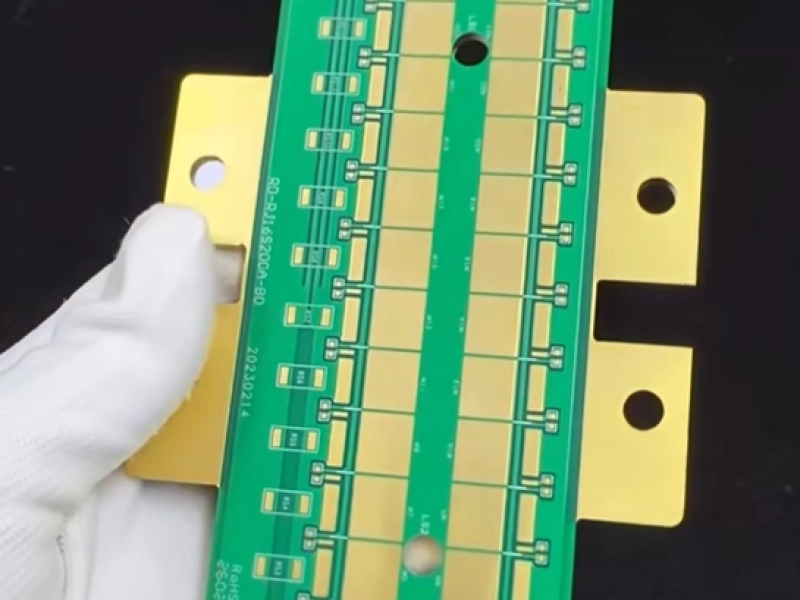
March/26/2026What Is an Embedded Copper coin PCB and When Should You Use It?
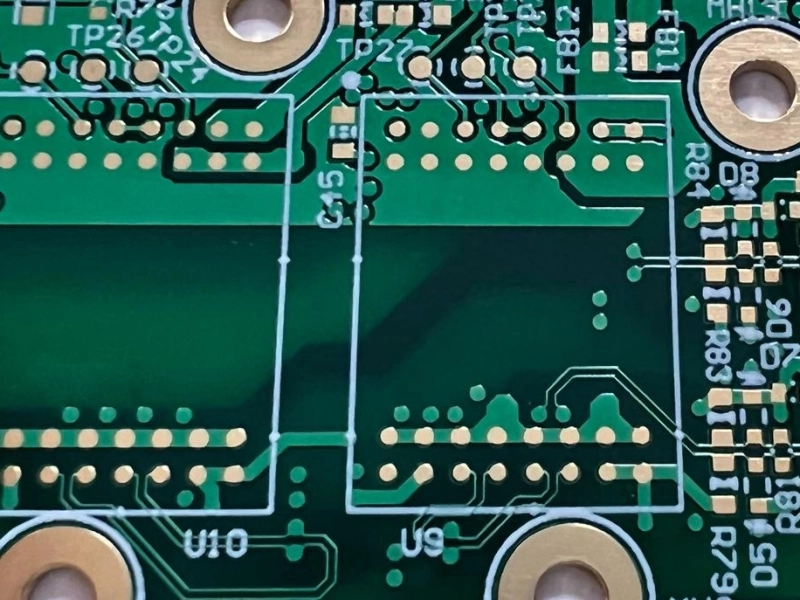
February/26/2026PCB Via Protection Types
February/03/2026Type of PCB Edge Connectors Overiew
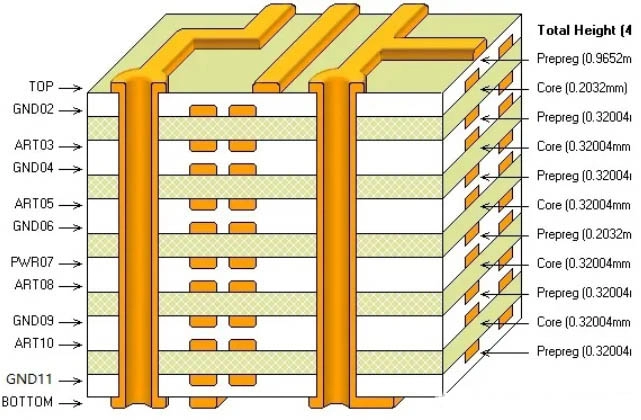
May/21/20268 Layer PCB Stackup:Headache Design Problems and Cost
September/24/2026PCB Hole Wall Roughness: Causes, Inspection and Plating Risks
 | Download our design guidesfor better PCB designing and manufacturing These are some of the design guides designers and engineersdownload the most:
|
Proven by 7 industries, 4000+ customer projects
Please contact us at sales@knownpcb.com, ask for engineering support here or use the form below to reach out to KnownPCB | Get In Touch Today |