
Get A Quote
CN
Metal core PCBs are widely used in applications that require efficient thermal management, mechanical reliability, and long-term performance. Common metal substrates include aluminum, copper, and stainless steel, each offering different advantages in thermal conductivity, mechanical strength, cost, and environmental resistance.
Since 2008, KnownPCB has partnered with more than 4,000 industry pioneers around the world to tackle challenging PCB projects. In our experience, common metal substrates include Aluminum-based MCPCB, Copper-based MCPCB, and Stainless Steel MCPCB, also known as Insulated Metal Substrate PCB.
The selection of Metal Core PCB is not a simple material replacement. It is a comprehensive decision involving thermal performance, application requirements, mechanical reliability, manufacturing feasibility, and cost efficiency.
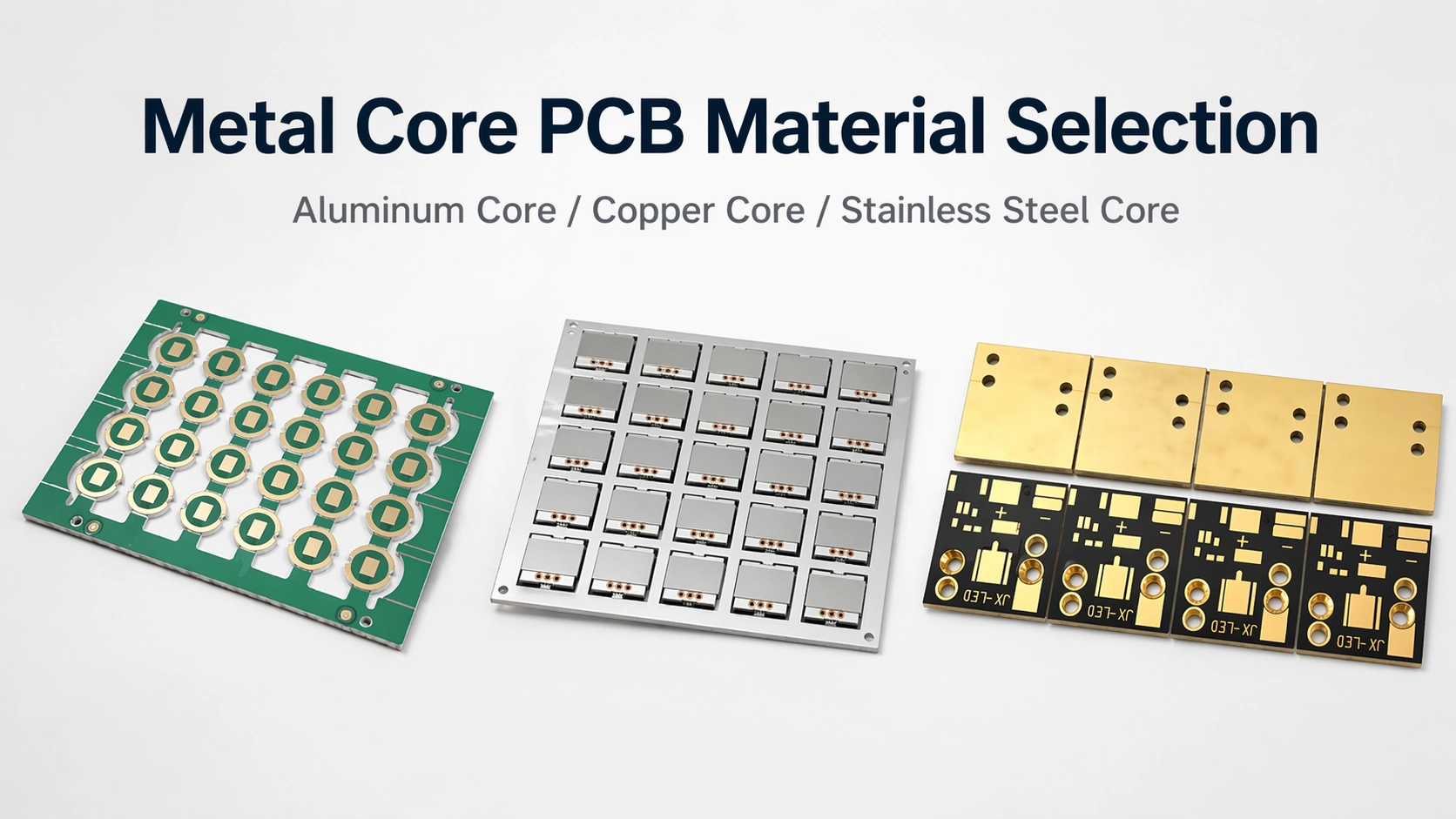
Aluminum core MCPCBs are widely used in high-power LEDs, automotive lighting, and LED lighting systems because of their efficient heat dissipation, lightweight structure, and cost advantages.
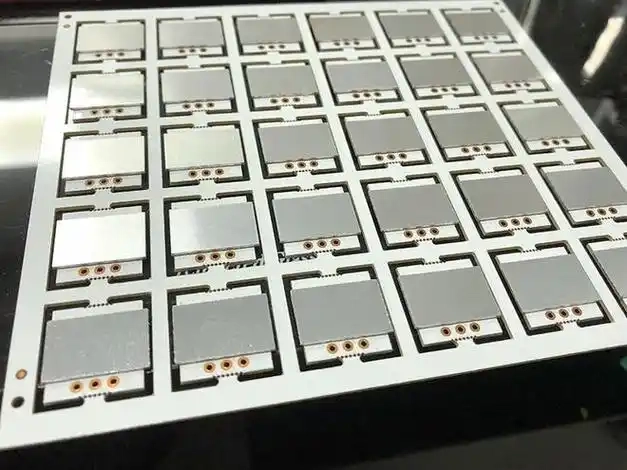
Copper core MCPCBs are suitable for designs with demanding thermal management requirements, especially in high-power-density electronics where faster heat spreading is required.
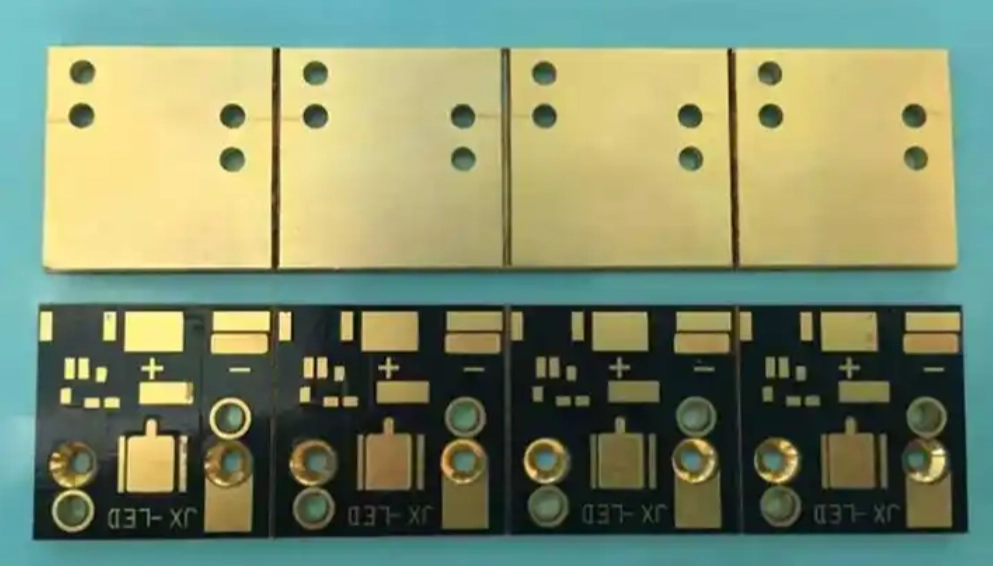
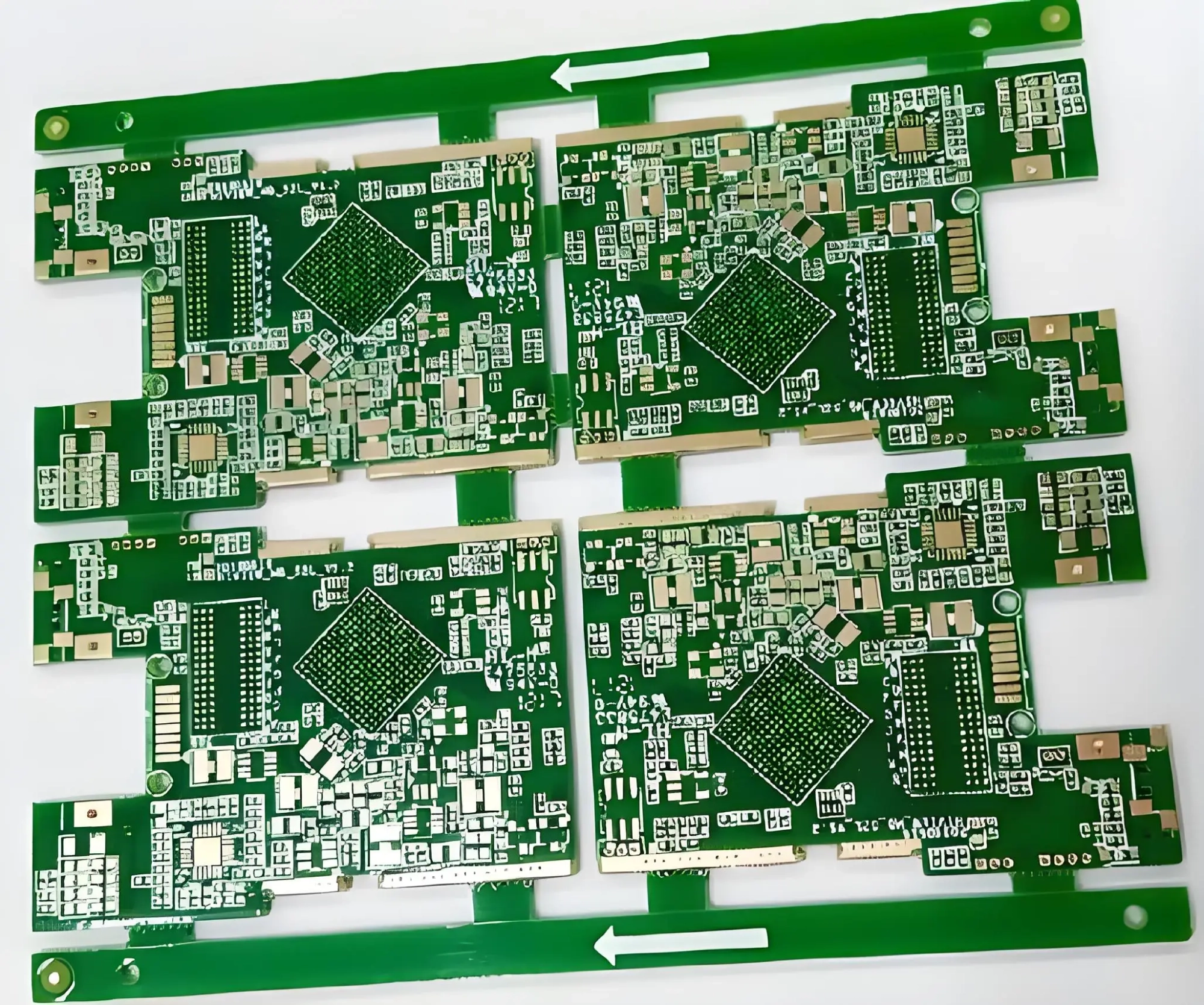
Steel core MCPCBs, including stainless steel and iron-based metal core PCBs, are selected less for thermal conductivity and more for mechanical strength, corrosion resistance, and electromagnetic shielding performance in harsh operating environments.
| Material Type | Thermal Conductivity | Cost | Mechanical Strength | Best-Fit Applications |
|---|---|---|---|---|
| Aluminum Core MCPCB | Medium to High | Low | Medium | LED lighting, automotive lighting, outdoor LED displays |
| Copper Core MCPCB | Very High | High | Medium | 5G RF modules, IGBT modules, power supplies, lasers |
| Steel Core MCPCB | Low to Medium | Medium | High | Railway systems, defense electronics, ECUs, harsh environments |
The cost budget selection of metal-based PCBs can be matched according to thermal performance, material cost, processing complexity, purchase volume, reliability requirements, and end-use application.
In our experience at KnownPCB, aluminum core PCBs usually provide the lowest raw material and processing cost among the three material types. Aluminum core PCB is a cost-effective choice for conventional projects where cost control, heat dissipation, and lightweight structure are key concerns.
Copper core PCBs are generally more expensive than aluminum-based PCBs. They are recommended for projects with stricter thermal conduction requirements, such as 5G base stations, high-power charging systems, high-current modules, and power electronics with high heat dissipation demands.
Stainless steel core PCBs are typically used in special applications with high requirements for structural strength, hardness, wear resistance, and corrosion resistance. They are suitable for applications such as military underwater sensing, precision instrument support, marine electronics, and harsh-environment equipment.
In high-stakes environments, the mechanical integrity of a PCB is as critical as its electrical performance. At KnownPCB, material durability is evaluated based on real-world stress, thermal load, vibration, corrosion, and operating environment.
For weight-sensitive devices such as portable lighting and outdoor LED screens, aluminum PCBs provide a good balance of lightweight design, durability, thermal performance, and cost efficiency.
Copper-based PCBs provide better thermal spreading and ductility than aluminum-based designs. They are often used in applications where high current, high heat, and mechanical stress must be managed together.
Stainless steel core PCBs provide high hardness, wear resistance, corrosion resistance, and mechanical support. They are suitable for special equipment requiring structural pressure support, vibration resistance, or long-term operation in harsh environments.
The KnownPCB team helps customers balance extreme performance demands with commercial feasibility through multi-dimensional material evaluation and stack-up review.
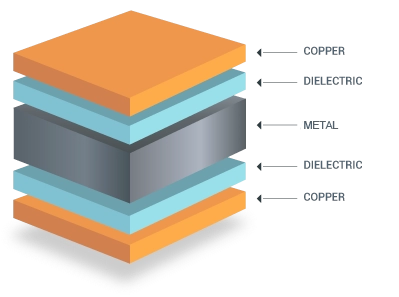
Lead Time: 5–15 Days
Layer Count: 2–8 Layers
Supported Materials: Copper Core / Aluminum Core
LED lighting modules, tail lights, DC-DC converters, power control units, and thermal management boards for consumer electronics.
Contact KnownPCB for metal core PCB material selection, stack-up review, engineering support, and manufacturing capability evaluation.
KnownPCB Metal Core PCB Capability KnownPCB Industry Solutions Request Stackup Review
October/06/2026PCB Desmear Process: Resin Smear Removal Before Plating
December/05/2025Automotive Camera Modules (ADAS) HDI PCB Solution
May/27/2026DFM for PCB with Large-Footprint Components
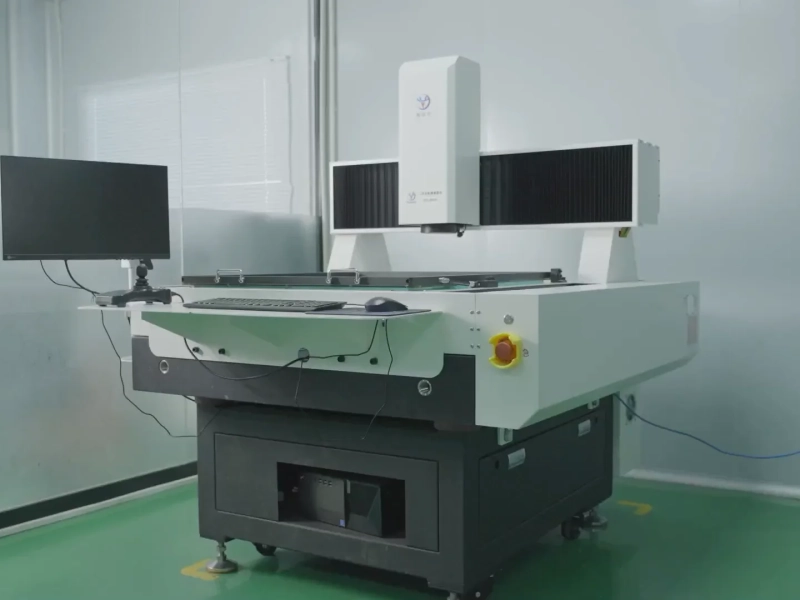
October/21/2026PCB TDR Impedance Test: Read the Lot Report
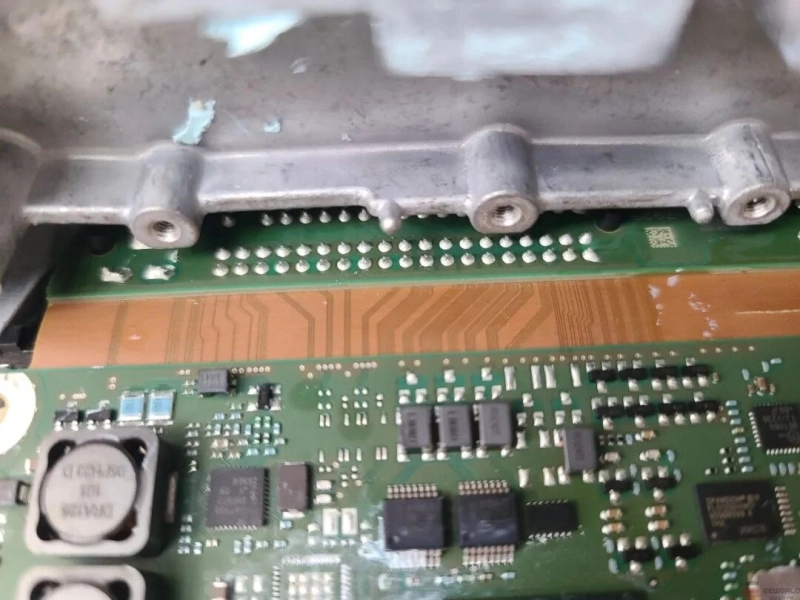
March/20/2026Automotive Multi Camera System Demands and Challenges in PCB Process