Blog & Design Guide

Imagine two clearly hypothetical quotes for the same bare-board order. Quote A includes one shipment and electrical testing of every board. Quote B has a lower total but assumes sample testing and lists freight separately. Neither total is comparable until you check the construction, quantity basis, testing and delivery scope. This is the practical purpose of a PCB RFQ checklist.
This article covers bare printed circuit boards, not component sourcing or assembly. The goal is to send released information that can be tied to a quote and purchase order.
In this article
Start with the scope: bare PCB fabrication, board quantity, delivery destination and the revision to price. State whether the quantity means finished pieces, panels or pieces per panel. “One hundred boards” is ambiguous unless the RFQ defines it.
Name the governing design package. A board image may help identify the product, but it does not define copper, drill, outline, finish or acceptance. The quote should reference released data and revision, not an email attachment called “final.”
Alongside the technical baseline, label the request as a budget estimate or firm quote. State currency, quote validity, ship window and destination. Ask suppliers to identify freight, taxes or duties that are excluded so those differences are visible.
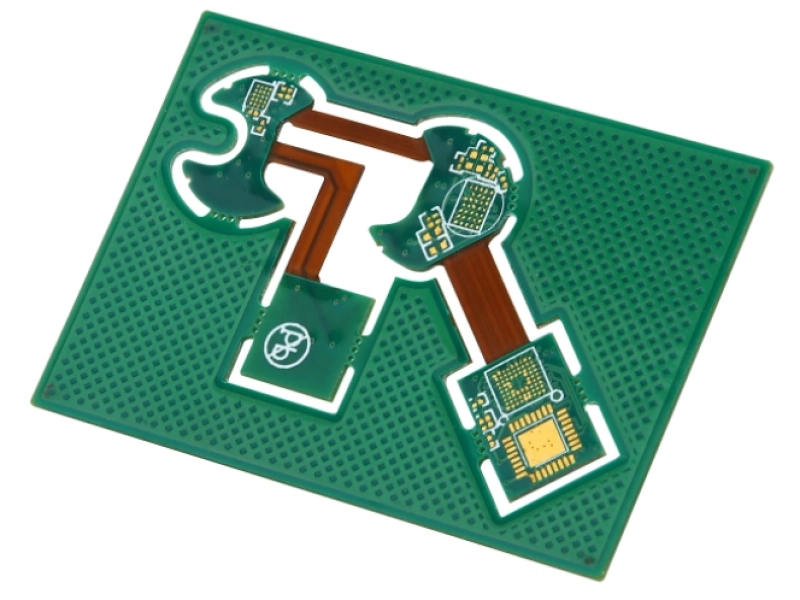
For a panelized PCB, show the finished-piece quantity and any requested customer array separately. Panel count is not piece count. 【插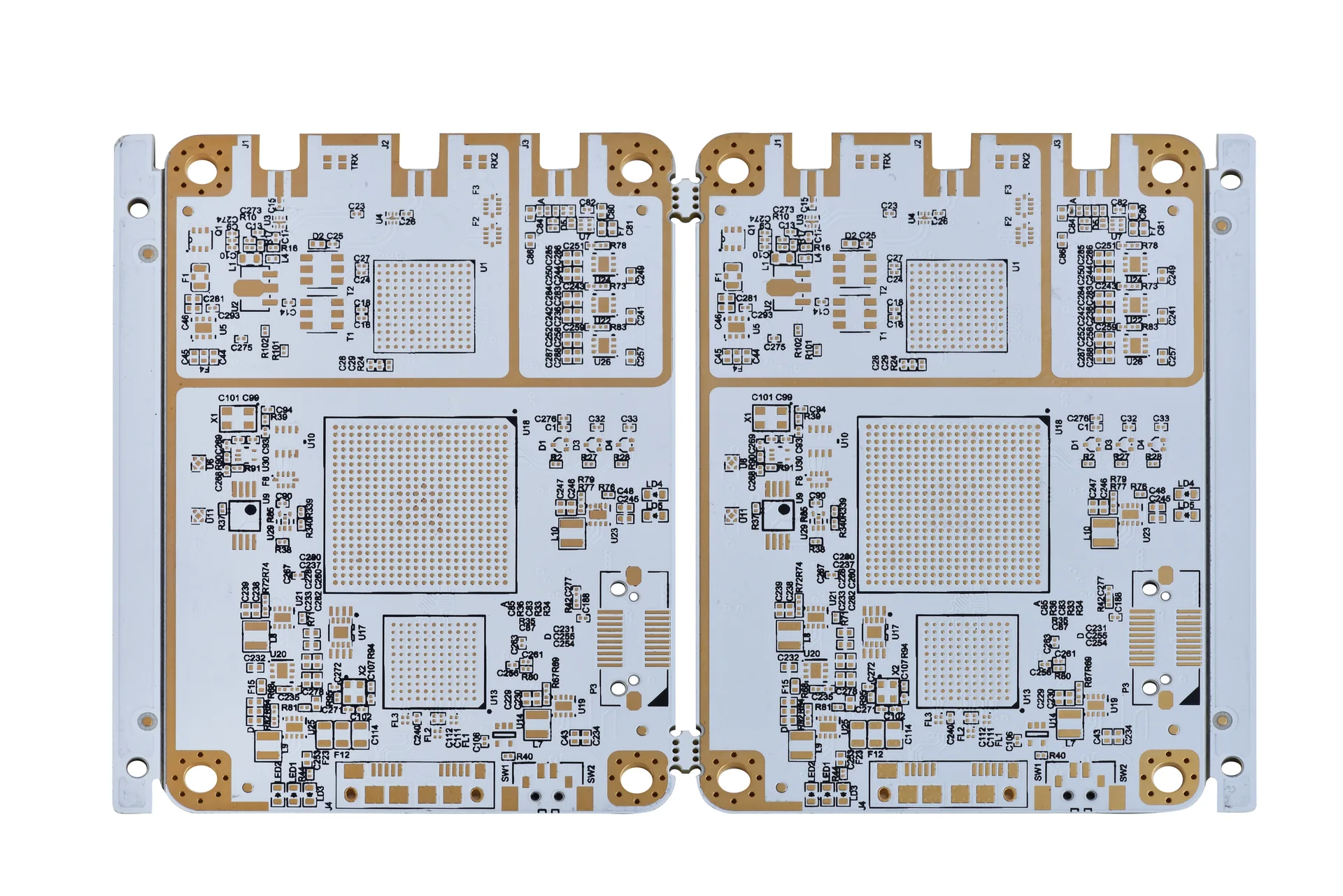
A PCB array illustrates why the RFQ should distinguish finished-board quantity from panel quantity.
List each file, purpose and revision in a manifest. Use the data format agreed with the supplier. Gerber with drill data is common; IPC-2581 is another structured exchange format for manufacturing and inspection information. Neither format replaces the released scope or acceptance plan.
| RFQ item | What to identify | What the response should confirm |
|---|---|---|
| Board definition | Artwork, drill files, outline and drawing revision | The priced files and any mismatch found during review |
| Construction | Layer count and stack-up, material designation, finished thickness, copper and surface finish | Whether the quote follows the stated construction or uses a named alternative |
| Dimensions | Board outline, critical dimensions and required tolerances | Any tolerance not accepted as written |
| Acceptance | Applicable standard, class, revision and project-specific tests | Inspection coverage, test records and stated exceptions |
| Delivery form | Individual boards or customer array, labeling, packing and destination | What will be shipped, how it will be identified and which documents are included |
Put requirements that are not obvious from the artwork in a drawing or controlled note. Identify any required impedance, selective finish, edge treatment or panel orientation and name the controlling document. Do not leave manufacturing requirements in an undocumented conversation.
When invoking a standard, name its document and revision instead of writing “latest IPC.” The agreed edition belongs in the RFQ and contract. IPC-2581 also states that the revision effective at solicitation takes precedence for agreements based on it.
Ask each supplier to price the same build and delivery scenario. List alternative quantities separately and distinguish the initial order from a forecast. A forecast is not authority to buy material unless the purchase terms say so.
For each scenario, state finished-board quantity and shipment plan. A single build sent in several cartons differs from repeated builds that need separate releases. Do not leave that distinction for the supplier to infer.
Define testing and records plainly. State which electrical test is included, whether it covers each board or a sample, and which records must identify the shipped lot. List any required certificate of conformance, material record or cross-section report as a deliverable.
Keep bare-board acceptance separate from assembly or end-product performance. An unpopulated-board electrical test does not demonstrate circuit function. Keep system-level acceptance in the relevant assembly or product specification.
Use a comparison matrix with one row per requirement and one column per supplier. Mark each item “included,” “excluded,” “alternative,” “needs confirmation” or “not stated.” Silence does not mean acceptance.
Keep an alternative finish, material, panel arrangement or tolerance separate from the requested design. Have engineering review its effect, then request a revised quote against the approved choice.
Keep the supplier’s wording for exceptions and assign each question to an owner. Purchasing can resolve commercial terms; engineering or quality can review technical and inspection questions.
Before choosing a quote, ask the supplier to confirm the data package and list remaining assumptions. Resolve a drawing conflict in a revised release; do not ask production to choose. Record approved deviations in the purchase order or its attachments.
A short release checklist can be enough:
KnownPCB explains its prototype and high-mix low-volume PCB service and quality management overview on separate pages. For a project quote, contact KnownPCB with the controlled bare-board package.
A drilling workstation is shown below as manufacturing context. The photograph is not a measurement record or evidence for a particular RFQ. 
A drilling and inspection workstation, shown as manufacturing context rather than project-specific test evidence.
They may define the artwork, but they do not always communicate every construction, tolerance, finish, testing or delivery requirement. Include drill data, the fabrication drawing or notes, and any acceptance document needed to define the board. Agree with the supplier if another manufacturing-data format will be used.
Yes. Issue the same released package and quantity scenarios to each supplier. If a clarification changes the scope, send that clarification to all bidders and keep the revised package identified by revision.
No. First confirm that the quote includes the required construction, inspection, documentation, packaging and delivery scope. Compare price only after unresolved exclusions and assumptions are visible.
IPC-2581C’s scope describes a structured data format that can carry information used for tooling, manufacturing, assembly and inspection. IPC’s document revision table helps identify standard revisions; the RFQ and purchase order should still name the exact edition agreed for the job.
Proven by 7 industries, 4000+ customer projects
Please contact us at sales@knownpcb.com, ask for engineering support here or use the form below to reach out to KnownPCB | Request a Manufacturing QuoteInclude your quantity, target delivery date and key requirements. File handling and NDA information. |