Summary:
A complete guide to PCB Prototype Service and Prototype PCB Assembly.
A Complete Guide to PCB Prototype Service and Prototype PCB Assembly
What Is a PCB Prototype Service?
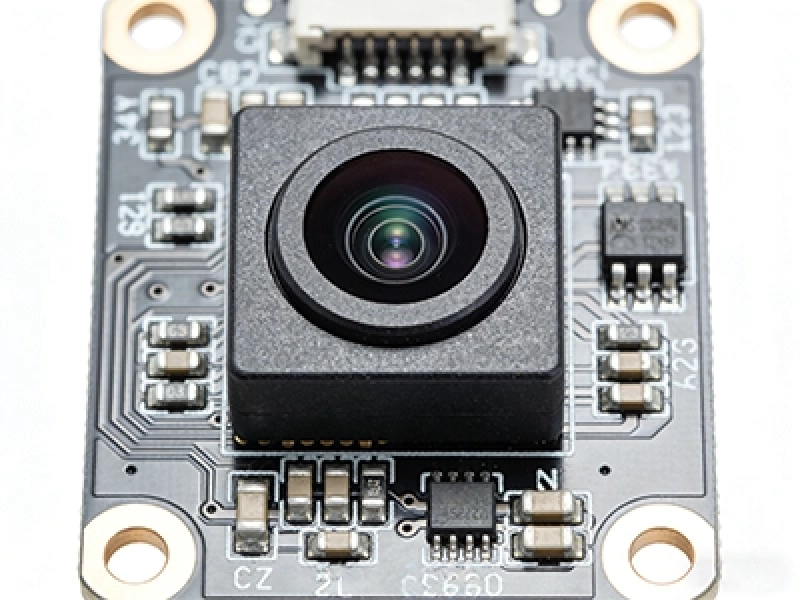
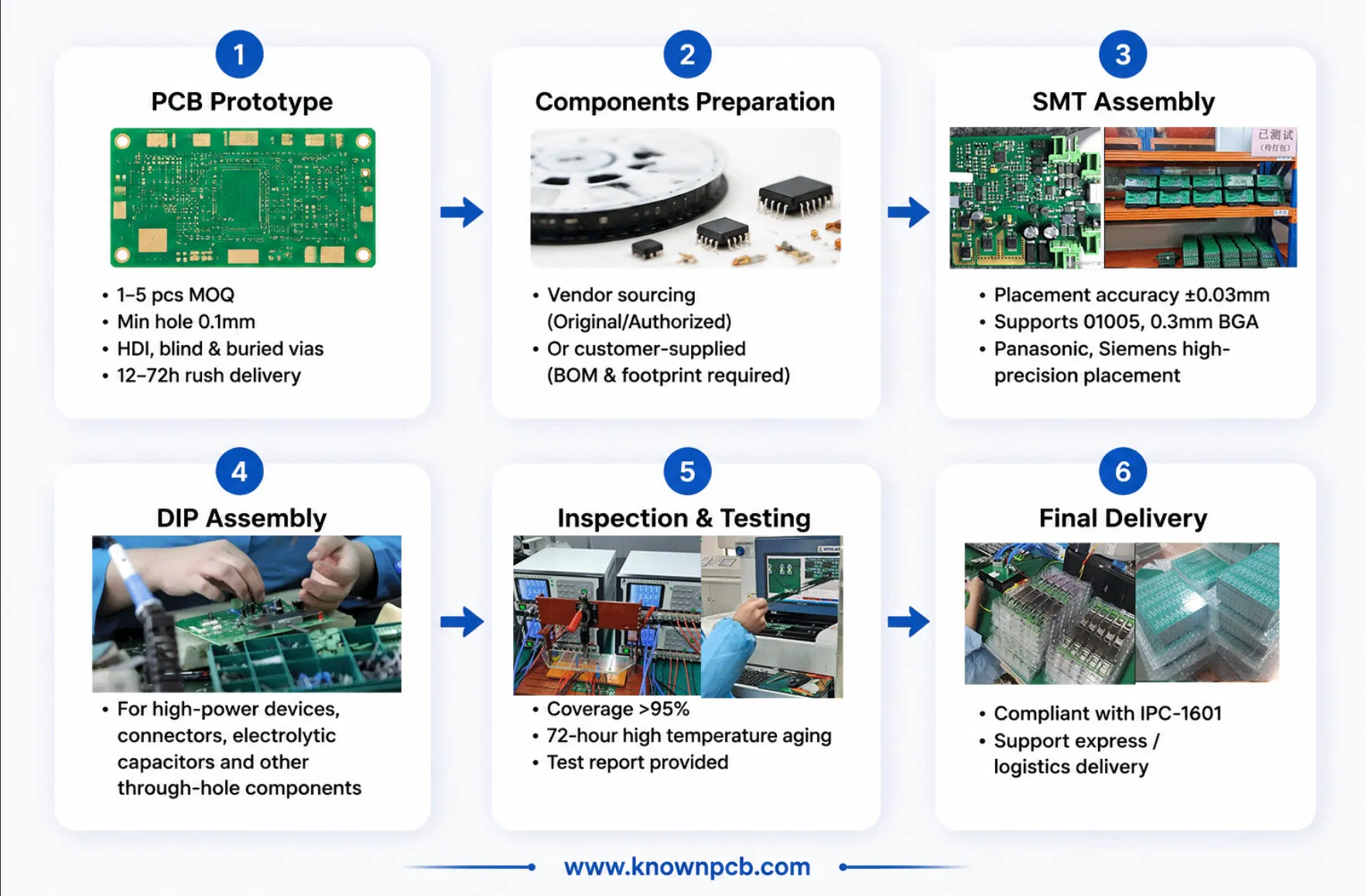
PCB Prototype Service transforms a PCB design file into a working and assembled PCB board before full-scale production. This prototype PCB assembly service helps engineers verify designs, test functionality, and reduce manufacturing risks. This is because Some PCB Prototype Service providers only manufacture bare boards, while others provide complete Prototype PCB Assembly, including component sourcing and SMT assembly. Others go a step further and add on other components and SMT PCB assembly from one vendor, instead of three vendors, to get a design from CAD to populated board. That is helpful if you are prototyping the hardware, early R&D testing or design verification, where an error in the footprint or trace width can be easily fixed and hard to correct later.
Differences between Prototype PCB Assembly and Production Assembly
PCB assembly comes in a variety of forms, from simple hobby runs to full turnkey PCB assembly contracts that will be shipped out as completed products. At one extreme of that spectrum lies a prototype-focused provider, selling at a cost and offering a structure that's more about small batch and quick turnaround than the cost per unit at scale. That's the actual difference that buyers are primarily looking for when they are looking for this; instead of “what is it”, it's “is this the correct type of service for now?”
What Makes Prototype PCB Assembly Different
Fast Turnaround Means Prototype Cycles Are Shorter
PCB prototype work is a process of design, build, test, identify problems, redesign, and then rebuild. Each day a PCB board is in the queue will become an additional day of that whole cycle. A few days of 24- to 48-hour quick-turn PCB assembly will add up to weeks of back and forth in a few revisions. Faster times for PCB fabrication and assembly aren't necessarily an issue for a single-time order, but for repeat orders, turnaround becomes a key consideration that is almost as important as cost.
Thanks to Small Orders, Early Testing is a Possibility
A lot of prototype projects start off with only a handful of boards, not hundreds. That's the reason it is essential to take into account low volume PCB assembly when designing a product. Many PCB assembly manufacturers still base the price of their parts on production volume, and this can lead to the unnecessarily high cost of small runs. Prototype PCB assembly companies have been created around this particular need and charge their clients for single-board and small-batch runs, rather than a markup on the bulk rate. 
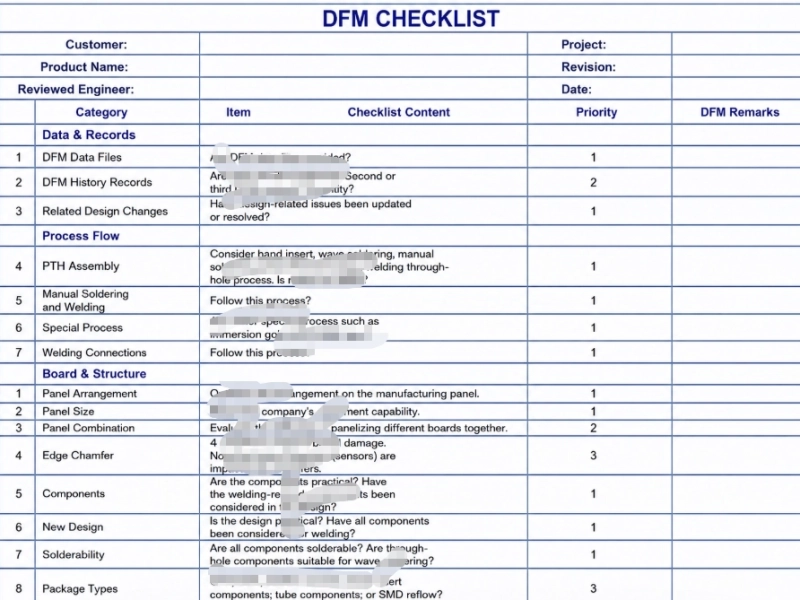
Using a DFM Check Helps Avoid Expensive Changeovers
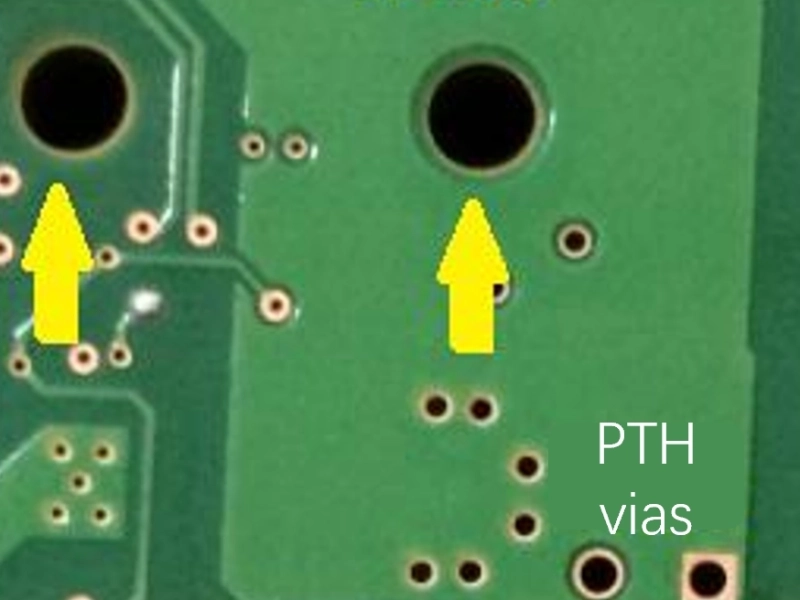
A DFM check (design for manufacturability) identifies issues on paper, before they become a ruined fabrication run. A Gerber file together with a BOM list should result in a quote that is usable and fast, and not a wait of several days, to find out a trace is too thin or a hole is drilled too small for reliable plating. This is where many first-time prototype orders turn sour.
Who Can Avail PCB Prototype Services?
One key element shared by all of these is that they're all about small quantity, short time frame, and no wasted iterations.
Any hardware company that is testing a first board with a few bucks.
R&D teams experimenting on a modification of one part of a layout.
Previously, product designers would verify that the product design is working mechanically before entering a full PCB board assembly contract.
Courses or research builds on University labs.
Industrial electronic manufacturers undertaking design verification before moving on to the next step of scaling up to turnkey PCB assembly for a shipping product.
Technical Specifications to Keep in Mind
Specifications for prototype boards should be as similar as possible to the end production product. The number of layers, the thickness of the board, and the amount of copper are based on the design requirements and not during assembly. The most popular material is FR-4 and surface finishes include HASL, ENIG, or OSP. In addition, before manufacturing, the manufacturers check the minimum trace width, minimum spacing and hole size to ensure that the board can be fabricated with the required tolerance. Maintaining these specifications is important to ensure reliability of prototype testing.
The Testing of Prototype PCB Assemblies
Prior to production, prototype boards typically are subjected to electrical testing. High volume builds are typically done using a dedicated test fixture, but for low volume builds, flying probe tests or E-tests are common practice in order to verify circuit continuity without a dedicated test fixture. Manufacturers can meet IPC Class 2 or IPC Class 3 requirements, depending on application. Some purchasers even look for ISO 9001 and RoHS compliance. When using BGA components, the solder joints cannot be seen and boards may mandate X-ray inspection
Common Problems During PCB Prototyping
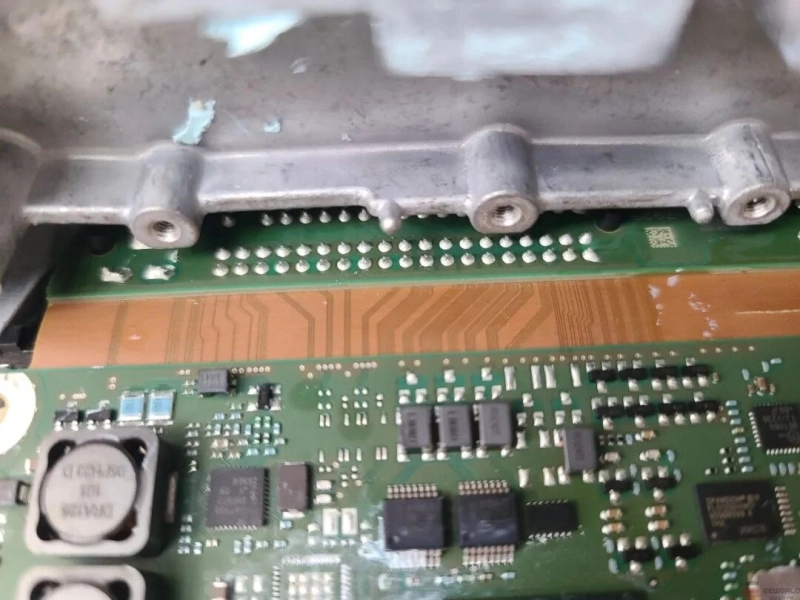
There are some problems that happen so often, they can be expected and prepared for. Typical problems are wrong component footprints, part unavailability at the time of PCB manufacturing and assembly, solder bridges on fine pitches, missing Gerber files, or wrong layer stack information. A few assembly tolerance issues only manifest when the board has been completely put together and running. A DFM check can catch a lot of these problems before they become a production reality, thereby lowering the risk of a costly redesign and any unnecessary delays.
How to Choose a Prototype PCB Assembly Partner
Before placing an order, it's worth checking a few details that can affect both cost and turnaround:
Don't just take the company's word that it will deliver in the shortest time; ask what the average is.
Check if the supplier accepts small volume or prototype single board orders.
See if a design for manufacturability review has been performed prior to manufacturing.
Make sure the testing process is appropriate for your board and fine-pitch or BGA components.
Get an up-front estimate to dodge hidden fees and costs after placing an order.
Frequently Asked Questions
What is the turnaround rate for a PCB prototype?
It will take 24 to 48 hours generally, but longer if the DFM check indicates any changes that should be made before the part is made.
What file formats are needed to submit a design?
There are the Gerber layout files, which must be provided to the layout, and a BOM list, which must be sent to the parts supplier. Most quoting systems will accept both.
Are prototype runs tested as production?
Typically a scaled-down version of a fixture, flying probe or E-test, but it is still the same IPC Class requirement.