Blog & Design Guide

A successful PCB prototype does not automatically define the next lot. The design team may have used the sample to test a layout or a populated product, while the manufacturing files, acceptance rules and shipment records are still changing. Moving from a prototype to a low-volume PCB release is safer when the team closes a few explicit gates before the next purchase order.
This guide covers bare-board fabrication. Keep circuit or product validation separate from the evidence used to accept an unpopulated board. A board-level electrical test can find opens or shorts under the agreed method, but it cannot prove circuit function after components are installed.
A prototype can still be useful when it needed manual rework, used a temporary stack-up assumption or lacked a final drawing. Record which findings are design evidence and which manufacturing conditions still need approval before the next lot.
In this article
“The prototype worked” is not a complete release decision. Record what was built and tested: an unpopulated board or an assembled product, the test method and conditions, the board revision and material. Those details determine whether the result applies to the next bare-board order.
Use a short gate table rather than a single “prototype passed” checkbox:
| Question | Evidence to retain | Decision owner |
|---|---|---|
| Which design was tested? | Board identifier, revision and manufacturing data used for the sample | Design engineering |
| What did the test establish? | Test method, conditions, result and known limitations | Test or product engineering |
| What must the bare board meet? | Released drawing, construction, tolerances and acceptance requirements | Design and quality |
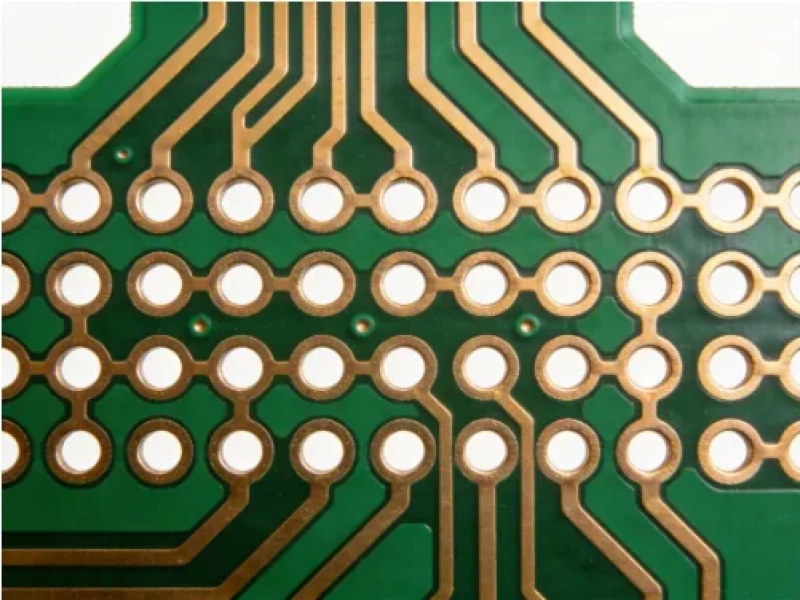
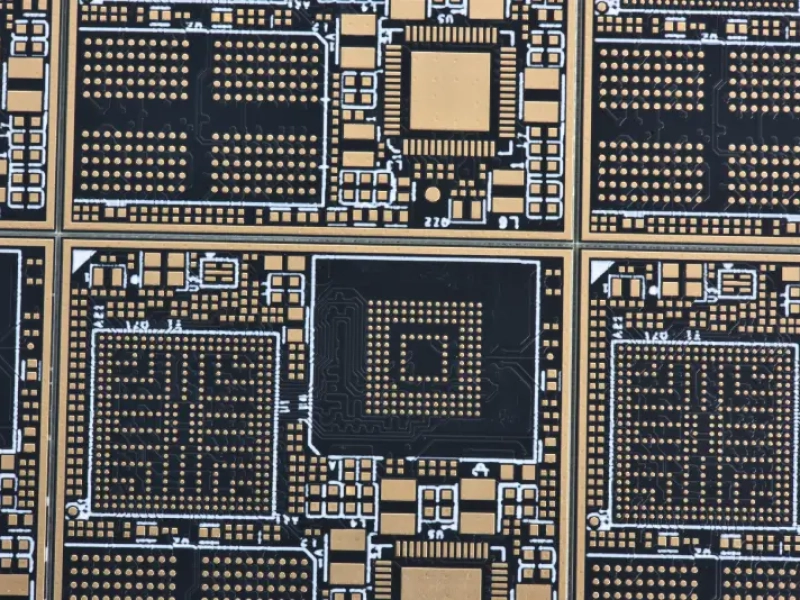
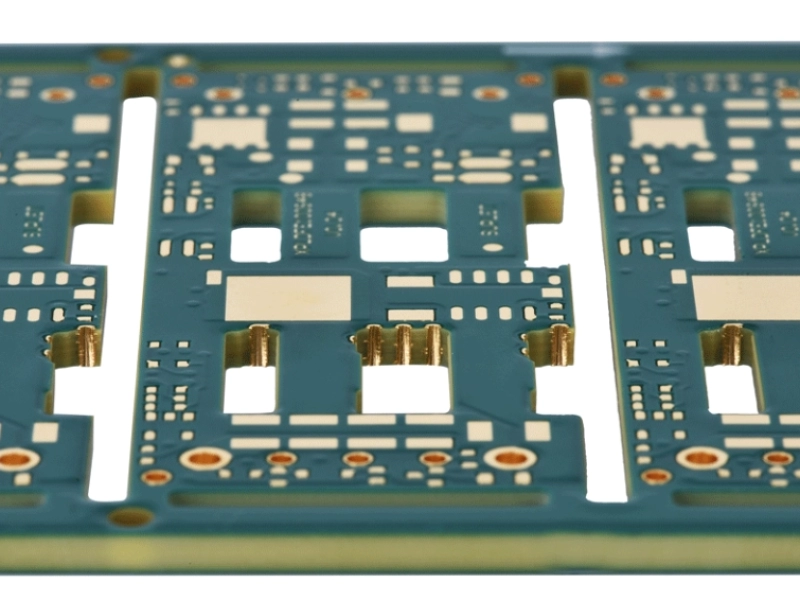
A finished bare board may look simple in a photo, but the manufacturing definition includes its layer construction, holes, outline, finish and acceptance requirements. Keep those items attached to the controlled revision rather than relying on visual similarity between samples.  A bare multilayer PCB showing pads, vias and its board outline.](/upload/image/20261013/20261013143647_11599.webp "[8-layer-fr4-tg170-enig-pcb-01.webp](/users/mac/desktop/knownpcb/素材1/产品图片/多层板/8层fr4+tg170沉金板/8-layer-fr4-tg170-enig-pcb-01.webp) a bare multilayer pcb showing pads, vias and its board outline.")
A bare PCB sample can be reviewed against its released manufacturing data; appearance alone does not establish revision or acceptance.
Write a short disposition for every important test result. Name the board revision, test setup or procedure, measured result where relevant, pass rule and any limitation. If the test was performed on a populated assembly, keep that result with the assembly record. Do not convert it into a claim that the bare PCB passed a different inspection.
For bare-board checks, specify the required verification separately. The order may call for electrical testing, dimensional inspection, visual acceptance, impedance measurement or another defined record. State the method and coverage agreed for the lot. A request that only says “test all boards” is not enough if the supplier and buyer may mean different things by “test.”
When a prototype required a change, identify whether it was a temporary correction to the sample or an approved design change. A hand-cut trace, jumper wire or reworked hole can help answer an engineering question. It is not a released manufacturing instruction. Convert the accepted change into controlled design data before the next order.
Choose the board revision that is intended for the next lot and identify its complete manufacturing package. A compact manifest can map each file to a board identifier, revision, date and purpose. Include the drawing or fabrication notes that define stack-up, material, finished thickness, copper, surface finish, outline and tolerances. Record any controlled-impedance or special dimensional requirement in the document that governs it.
Then reconcile that package against the prototype record. If the artwork changed but the drawing did not, decide which one is authoritative and issue a corrected package. If the board outline, hole table or stack-up changed, record the design-change reason and the approval. Do not let a file with an unchanged name conceal a changed design.
Formal configuration-management guidance is used in many engineering fields, not only PCB production. NASA’s handbook describes establishing baselines, controlling changes, and verifying their implementation. It is not a PCB manufacturing standard, but the same sequence is useful here: identify the current board definition, approve a change, issue it to the supplier, and check that the next lot was built to that definition.
At this point, the prototype and high-mix low-volume PCB workflow can be used as a discussion path for revision-aware builds. The actual release still needs to state which files and requirements govern your board.
A small change can alter how a bare board is manufactured or accepted. Before sending the next release, ask the supplier to review the actual construction and highlight any assumption that differs from the prototype build. The review should be specific to the board package, not a broad promise that the design is manufacturable.
Not every project needs a separate engineering pilot before its low-volume order. The right decision depends on the amount of change and the consequence of a mismatch. A new material, an altered stack-up, a new supplier, or an acceptance requirement that was absent from the sample may justify an additional review or first-article approval. If the build is unchanged and the risks are understood, a formal data review may be enough. Record why the gate is open or closed.
Do not use an acceptable first sample to infer that every later process change is harmless. If a supplier proposes a substitute material or changes a manufacturing condition, ask whether the change affects an agreed board requirement. The technical owner, not the quote alone, should approve a difference that could affect performance or acceptance.
Before ordering, define how the lot will be judged. Name the applicable product performance specification and revision if one is required. IPC-6012 is an example of a performance and qualification specification for rigid printed boards; it covers board types and sets product-related requirements. It is not a factory certificate. Select the applicable class and edition in the drawing or purchase documents instead of assuming that the prototype order already established them.
Agree which inspection or test records will be supplied with the lot and how the boards will be identified. If a first-article report, electrical-test summary, material record or dimensional result is required, state whether it applies to the first board, a sample or the whole lot. Do not call an inspection report a functional test, and do not treat a manufacturing photo as a lot record.
After approval, keep the lot tied to the exact released data and supplier quote. If any requirement changes after the order is placed, issue a revised document, assess the affected quantity and obtain agreement before the change is built. This protects both the test result and the purchasing record.
KnownPCB’s quality management page describes its published inspection and quality information. For a project-specific discussion, contact KnownPCB with the board revision, acceptance basis and any open change. Keep each record attached to the lot it covers.
The image below shows a visual-inspection area. It is illustrative process context, not evidence that a particular PCB lot passed inspection. 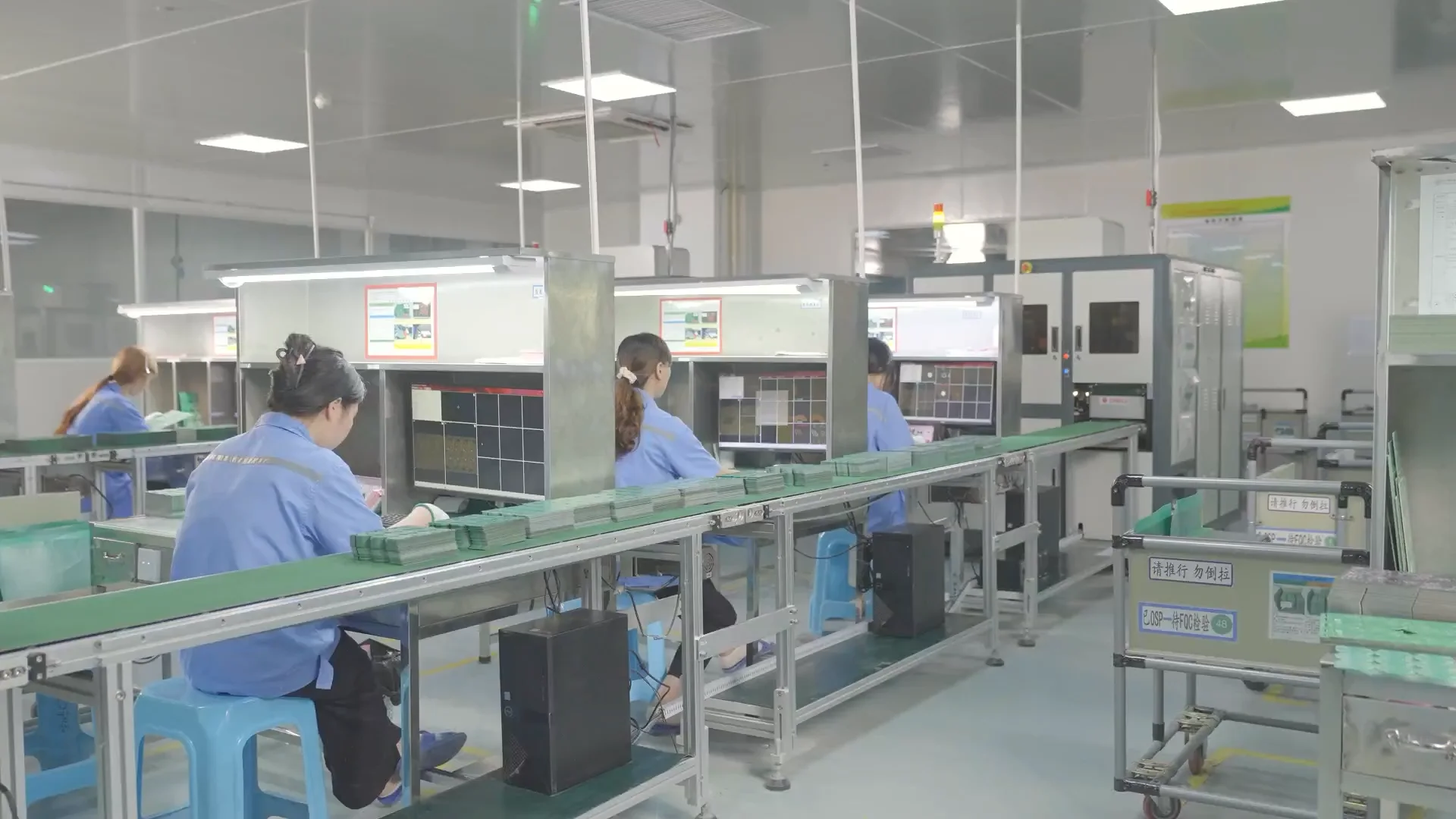
Operators work at a final visual-inspection line; lot acceptance is determined by the agreed records and criteria.
Not by itself. Record what was tested, which revision was used and what the result covers. Then make sure the low-volume board has its own released manufacturing and acceptance definition.
Only if the project or customer requires one. State whether the next lot needs first-article approval, sampled inspection or another defined evidence package before releasing the order.
IPC’s IPC-6012F overview describes the document as a qualification and performance specification for rigid printed boards. NASA-HDBK-1004 describes baselines, change control and verification in an engineering configuration-management context; it is not a PCB acceptance standard.
Proven by 7 industries, 4000+ customer projects
Please contact us at sales@knownpcb.com, ask for engineering support here or use the form below to reach out to KnownPCB | Request a Manufacturing QuoteInclude your quantity, target delivery date and key requirements. File handling and NDA information. |