
RF PCB supplier evaluation should follow the evidence for one proposed construction. A material logo and a photograph of a TDR instrument tell a buyer little about how the supplier will control a particular RF board. Ask the supplier to connect your electrical requirements to its material order, stackup proposal and production records.
The questions change with the board. An antenna panel, a power-amplifier board and a mixed RF/digital module do not share an identical qualification problem. Define the critical paths and environmental requirements first. Then ask suppliers for comparable evidence instead of scoring broad capability claims that do not apply to the order.
Supplier evidence review
Request the proposed laminate grade, copper option, thickness and bonding materials. A response such as “equivalent Rogers material” leaves the buyer unable to compare quotations. Where substitutions are allowed, define the approval process and the properties that must be reconsidered. Where they are restricted, put the restriction into the purchase specification.
Ask how the supplier links incoming laminate to a production lot. A sample certificate with identifying details removed can show the record format, but an example alone does not prove that every order follows it. The production agreement should state the traceability expected for your order and the records supplied with the finished lot.
Check the basis for dielectric data. The Rogers RO4000 data sheet distinguishes process Dk from design Dk and includes construction notes. A supplier that can identify which data supports its stackup calculation is easier to evaluate than one that supplies a single unexplained dielectric constant.
KnownPCB's RF and high-speed PCB service page describes the supported material families. Treat that as a service starting point and request a construction-specific response for the actual project.
Send every shortlisted supplier the same controlled data package. Include the stackup, impedance table, critical RF routes, material restrictions and drawing revision. Ask them to return a marked proposal showing differences from your request. This makes the quality of the engineering response visible before a trial order.
Look closely at how the response handles copper. Starting foil, plating and etch compensation influence finished geometry. For an RF design, a permitted width adjustment may depend on location: uniform routing can tolerate a controlled adjustment that a filter section or launch cannot. The supplier should identify the proposed change so the responsible designer can review its circuit effect.
Mixed-material builds need a named bonding proposal and a review of the hole structures. The supplier should identify where it needs further information instead of quietly assuming a material or drilling route. For project context, see KnownPCB's FR4/Rogers hybrid manufacturing case. Evidence from one build should lead to questions about your construction, rather than blanket approval of all hybrids.
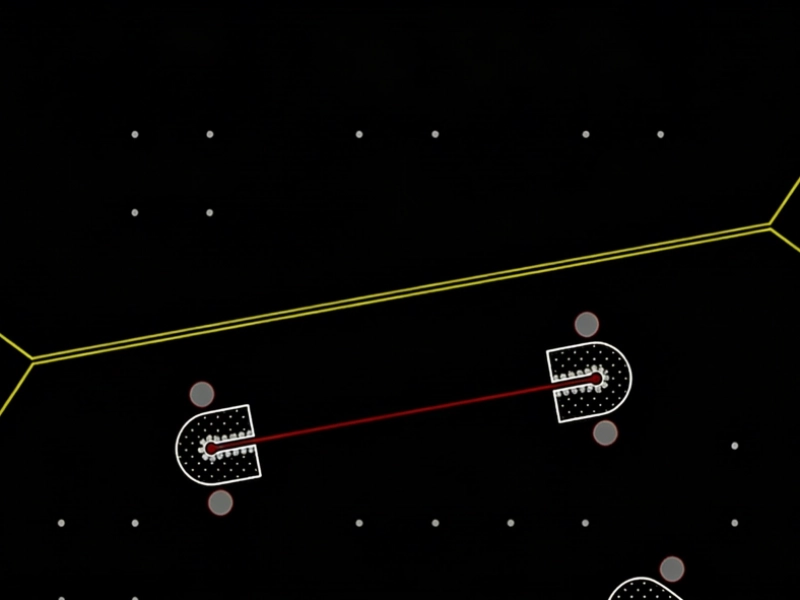
The hybrid-board image below is a product example showing patterned copper and plated features. Surface appearance cannot establish the approved stackup or material traceability.
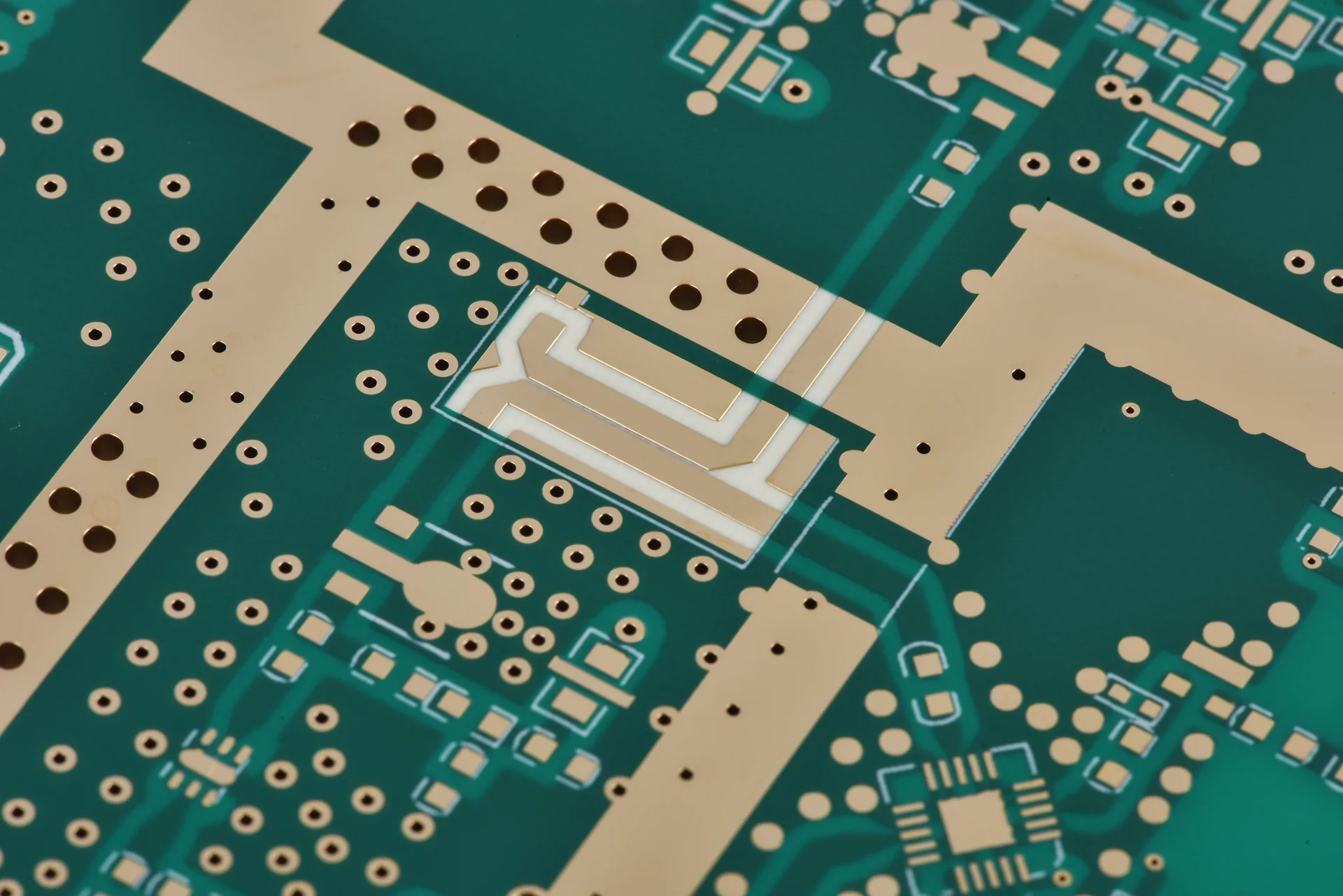
Product appearance supports a manufacturing discussion; stackup and material records provide the construction evidence.
Use a compact evidence matrix in the supplier review. The purpose is to expose missing links, not to award points for the largest folder of certificates. Keep the distinction between a system certificate, a process capability and an order-specific inspection result.
| Supplier statement | Evidence to request | Decision it supports |
|---|---|---|
| Specified RF material | Grade, construction and lot traceability | The proposed material matches the released build |
| Controlled impedance | Approved stackup, coupon mapping and report scope | The measured structure represents the requirement |
| Low-loss construction | Defined material and copper; agreed loss evidence if required | The claim addresses the channel loss budget |
| Repeatable supply | Revision control and material-change procedure | Later lots retain the approved construction |
TDR verifies an impedance requirement under stated conditions. It should not be used as an unexplained substitute for RF insertion-loss evidence. The Tektronix TDR primer provides background on the time-domain measurement. If frequency-domain results are required, agree the structure, frequency range and deliverable separately, including who will perform the work.
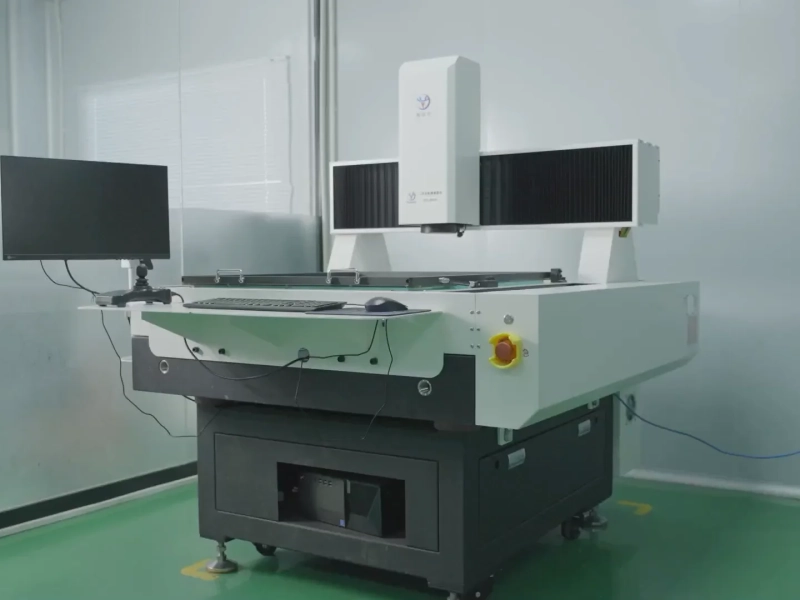
The impedance bench photograph below confirms only the visible equipment context. A dated calibration record and an order-linked measurement report answer different questions and should be reviewed separately.

The impedance bench is process context, rather than evidence that a particular RF lot met its acceptance criteria.
Select a trial construction that represents the risk being evaluated. A simple two-layer board may show material handling but say little about a mixed-dielectric multilayer with blind features. Conversely, ordering the most complex board available can introduce problems unrelated to your intended product.
Define acceptance and the required records before releasing the trial. Retain the approved data package, the supplier's deviations and the received inspection results together. When the trial finishes, review discrepancies against that baseline. A successful functional prototype is useful, but it does not identify which manufacturing controls will hold the next production lot consistent.
Approve the supplier for a named material system, construction range and evidence scope supported by the trial. Record any exclusions. Broader approval can follow later evidence; it need not be inferred from one successful board.
For repeat orders, require notice of changes that affect the approved construction or verification. Confirm how incoming questions, nonconformances and replacement lots will be handled. These agreements give purchasing a usable control point when a quotation, material availability or delivery date changes.
Review delivery and communication evidence as well. Check whether the trial response identified questions early, returned the approved revision and explained any deviation before fabrication. These observations are more useful than a generic speed claim because they show how the supplier handled the information needed for your own order. Preserve the response dates and resolved questions in the trial record so another buyer can review the same evidence later.
To begin a project-specific comparison, request an RF capability review with the stackup, critical structures and evidence requirements. Ask for the proposed build and any exceptions in the same response.
July/10/2026Prototype PCB Assembly vs Low Volume PCB Assembly
October/06/2026PCB Bow and Twist Measurement: How to Measure and Report Bare Boards
October/22/2026Telecom PCB Manufacturing: Release the Critical Channel
March/10/2026How 0.2–1.2 mil Solder Mask Thickness Affects 100 Ω Differential Impedance and Insertion Loss
October/09/2026ENIG Black Pad: Inspection and Lot Traceability